




Peterson Foundation Statement on CBO Letter on the Budgetary Effects of Making Specified Policies in the Build Back Better Act Permanent
Peterson Foundation Statement on CBO Letter on the Budgetary Effects of Making Specified Policies in the Build Back Better Act Permanent


NEW YORK — Michael A. Peterson, CEO of the Peter G. Peterson Foundation, commented today on a letter released by the Congressional Budget Office (CBO) about the fiscal effects of making permanent specified policies in the Build Back Better Act. Peterson said:
“It is critical for national priorities proposed by either party to be fully paid for. Policies should not be artificially sunset just to make the fiscal projections rosier and legislative passage easier. This analysis from CBO shows that timing gimmicks used in the current bill mask this legislation’s potential fiscal impact, which could result in $3 trillion of additional debt over the next decade.
“We should have transparent and open discussions about the intentions and priorities of legislation and policies. Congress and the President should decide now how to fund new programs over their truly intended timeframes through credible offsets.
“We have already placed a tremendous burden on future Congresses with $29 trillion of national debt as well as a range of existing permanent programs that are not sufficiently funded by our tax code. There are a number of options to make the current bill more responsible, and there is still time for lawmakers to make it more sustainable for those who stand to benefit from these programs, and for future generations to come.”
# # #
Further Reading

The Fed Held Its Target Range After Reducing the Short-Term Rate Three Meetings in a Row
High interest rates on U.S. Treasury securities increase the federal government’s borrowing costs.

How Does the United States’ Fiscal Position Compare to Other Countries’?
The United States has higher budget deficits and spends more on interest costs than its peers.
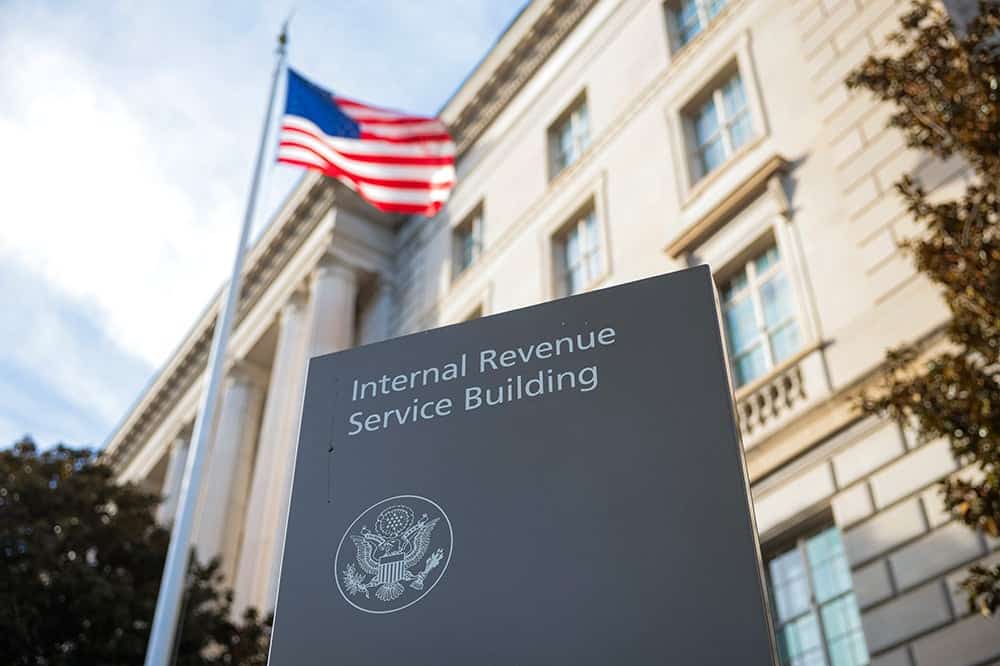
The United States Collects Less Tax Revenue Than Other G7 Countries
The U.S. collects less tax revenues compared with other G7 countries, and that lower level of revenues is a key driver of the national debt.