




Statement on the 2015 State of the Union Address
Statement on the 2015 State of the Union Address


NEW YORK — Michael A. Peterson, President and COO of the Peter G. Peterson Foundation, commented this evening on the President’s annual State of the Union address, remarks as prepared:
“Tonight, the President highlighted the positive news that the economy is accelerating its recovery, and that current deficits are lower than they used to be. Unfortunately, however, this near-term fiscal improvement will be short lived. Our long-term fiscal outlook has not fundamentally changed, as we remain on a dangerous and unsustainable path that threatens our economy.
“The President and Congress have an important opportunity this year to work together to secure our fiscal and economic future. A sustainable fiscal foundation is an essential ingredient for a healthy and prosperous economy, now and in the future. Improving our long-term fiscal picture will help create the conditions for strong economic growth, with more opportunity and mobility, greater access to capital, increased confidence, a solid safety net, and greater ability to invest in key economic priorities. In addition to addressing the many short-term budget issues that need resolution, lawmakers have many viable options to stabilize our growing debt and improve the fiscal outlook for the long term. Getting our fiscal house in order is necessary to ensure a bright economic future for the next generation.
“The President rightly stated that our tax system is in need of repair. A plan to improve and simplify our tax code that has the support of both parties would boost economic growth and serve as a key first step toward a more comprehensive fiscal plan that stabilizes the debt for the long term.”
Despite recent reduced deficits, our long-term debt remains on an unsustainable path. The nonpartisan Congressional Budget Office (CBO) projects that federal debt will climb from 74 percent of GDP in 2014 to 106 percent of GDP in 2039, assuming no changes to current law. Based on its less optimistic alternative fiscal scenario, CBO projects that debt in 2039 will reach a staggering 183 percent of GDP.
Further Reading
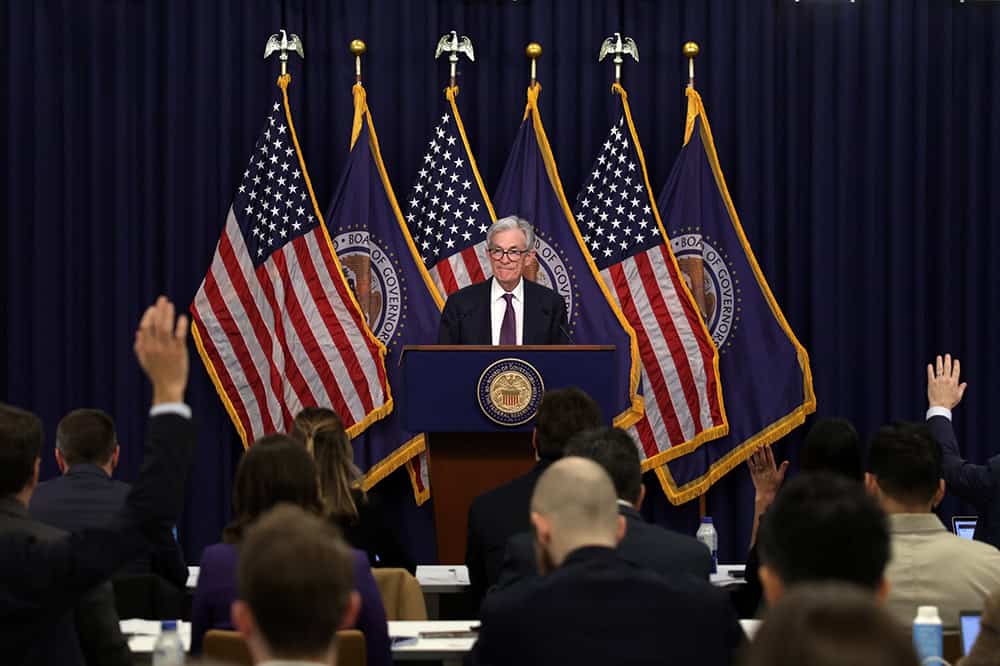
The Fed Held Its Target Range After Reducing the Short-Term Rate Three Meetings in a Row
High interest rates on U.S. Treasury securities increase the federal government’s borrowing costs.

How Does the United States’ Fiscal Position Compare to Other Countries’?
The United States has higher budget deficits and spends more on interest costs than its peers.
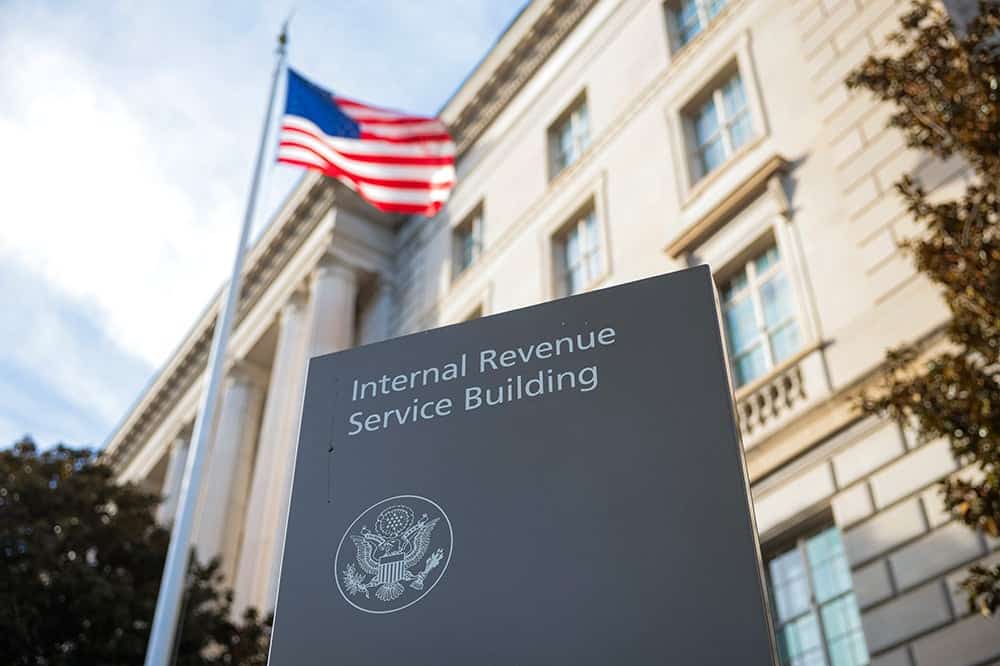
The United States Collects Less Tax Revenue Than Other G7 Countries
The U.S. collects less tax revenues compared with other G7 countries, and that lower level of revenues is a key driver of the national debt.